Relocating to Braintree MA: Neighborhoods, Commute & Housing
January 15, 2026
January 15, 2026
Thinking about a South Shore move with an easier Boston commute? If Braintree is on your radar, you’re looking in the right place. You get suburban comfort with strong transit options, plenty of shopping, and a range of home types. This guide breaks down the neighborhoods, commute choices, housing styles, and a step-by-step move timeline so you can plan with confidence. Let’s dive in.
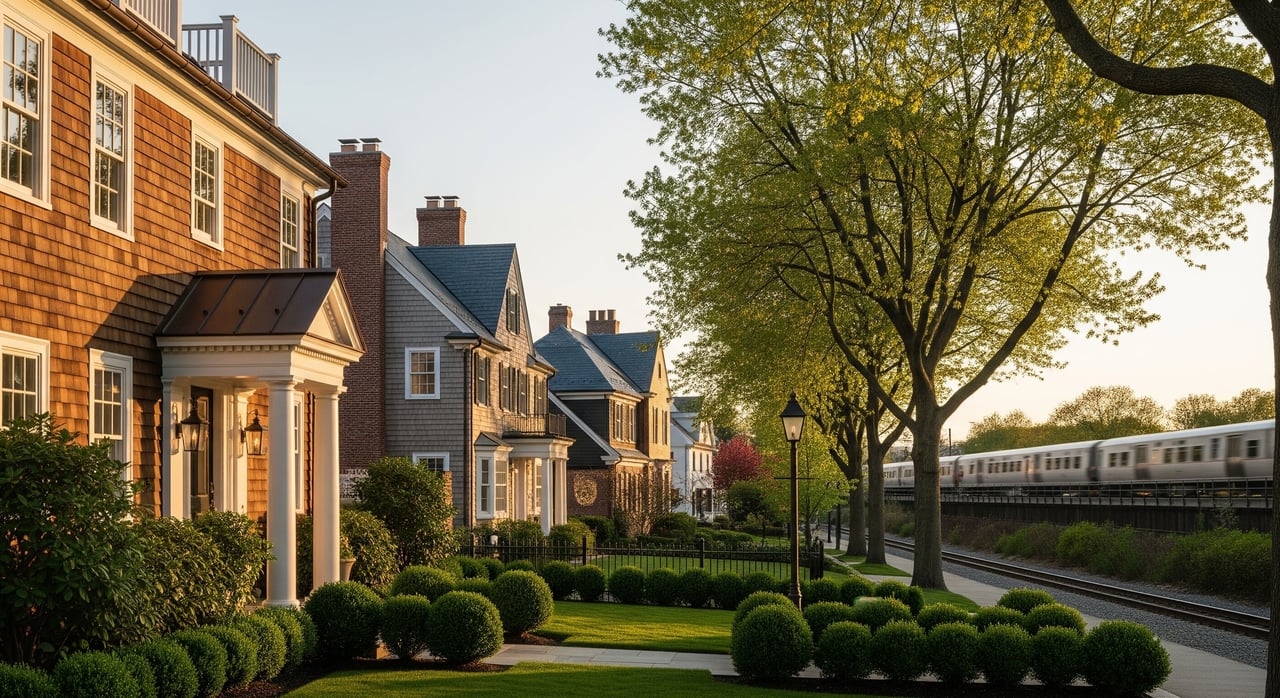
Braintree sits in Norfolk County, just south of Boston, with fast access to I-93 and Route 3. The town blends a traditional civic center with residential streets and several commercial nodes. You’ll find condos and apartments closer to transit and shopping, along with many single-family homes on established streets.
For municipal services and current town data, start with the Town of Braintree’s website. Use it to confirm utilities, permitting, property tax details, and local programs as you plan your move.
Braintree does not have strict neighborhood borders like some cities. Instead, think in terms of functional areas that shape day-to-day life.
This is where you’ll find Town Hall, municipal offices, local businesses, and some older homes. Living near the center can mean shorter drives to services, libraries, and community events. You’ll also have straightforward access to main roads.
Around the MBTA’s Braintree station, you’ll see a mix of multifamily buildings, condos, and some townhouses. This area is ideal if you plan to use the Red Line regularly into Boston. Check the MBTA Red Line schedules and maps and the Braintree station page for parking details, fares, and real-time service alerts.
Along Route 3 and nearby arterials, you’ll find larger shopping centers and chain services. This is convenient if you prefer quick errands and direct highway access. Expect heavier traffic and more car-oriented development in these spots.
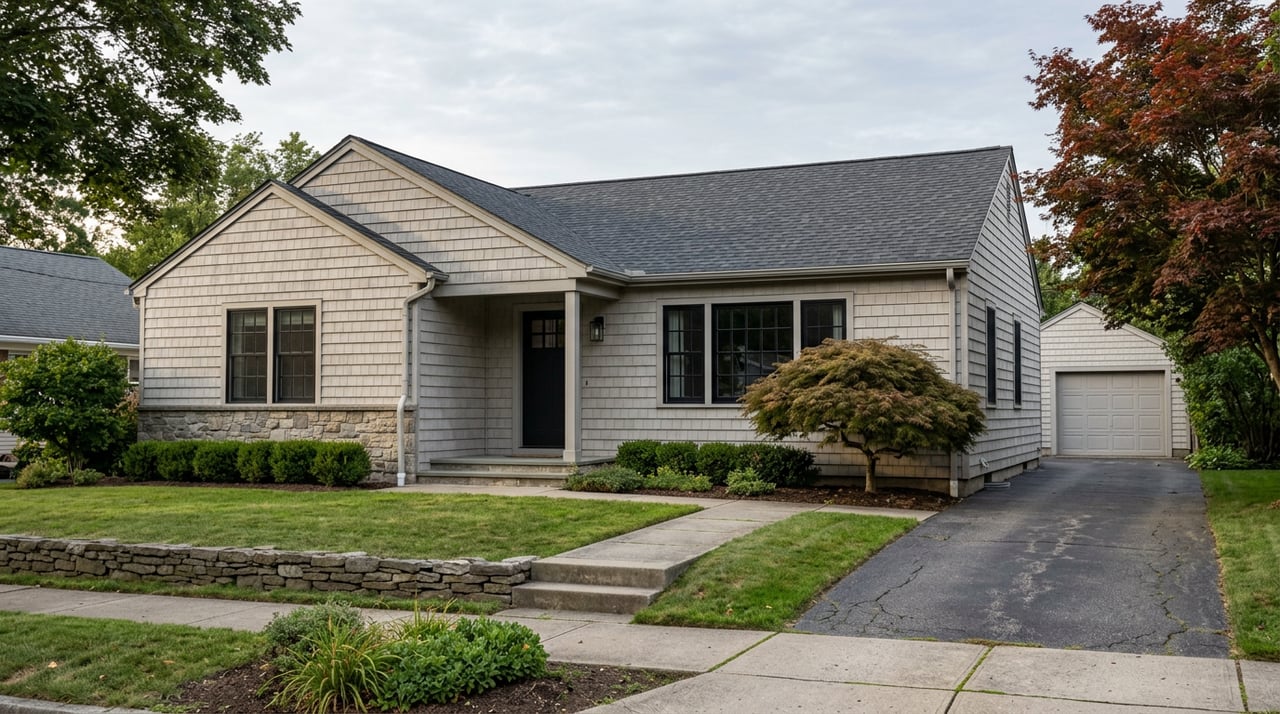
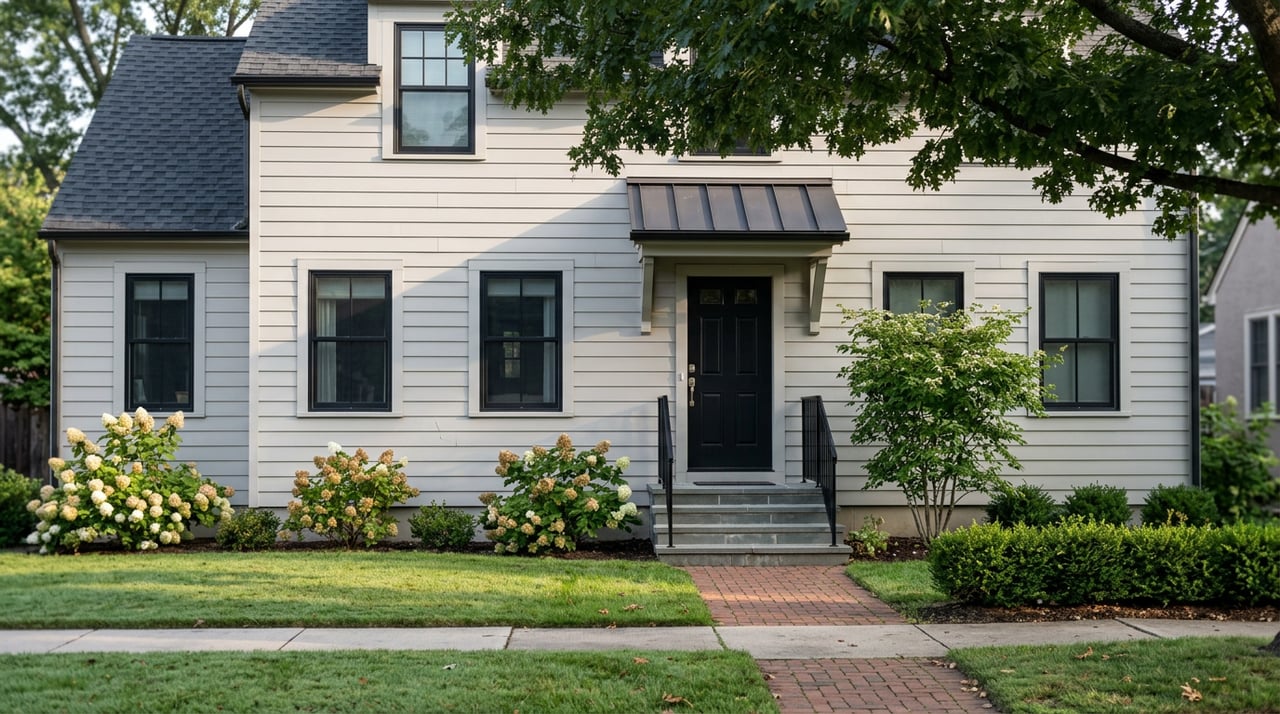
Much of Braintree is made up of single-family homes, often Cape, Colonial, and ranch styles on varied lot sizes. You’ll find driveways or garages, quieter local roads, and access to neighborhood parks. Always review property condition and renovation potential with the building department before you plan major updates.
Closer to transit and commercial areas, you’ll see two- and three-family homes, small apartment buildings, and condo developments. These options can offer lower maintenance or rental income if you plan to owner-occupy a multi.
Braintree Public Schools operate the town’s elementary, middle, and high schools. Review enrollment guidance and calendars directly with Braintree Public Schools and neutral accountability data through the Massachusetts Department of Elementary and Secondary Education. For healthcare, the region’s major provider nearby is South Shore Hospital, with urgent care and specialty services across the South Shore. Parks and recreation programs are listed through town departments; check for current facilities, fields, and program signups.
You have several ways to reach Boston or other job centers. The right choice depends on your hours and whether you prefer driving or transit.
Braintree is at the southern end of the Red Line. Many commuters choose to drive to the station and park, then take the train into Boston to avoid downtown traffic and parking costs. Before you rely on transit for a new schedule, confirm weekday and weekend frequency on the MBTA Red Line page and review parking availability on the Braintree station page. Also look at buses if your commute is a reverse pattern or within the South Shore.
I-93, Route 3, and connections to I-95 place Braintree in a strong position for drivers heading toward Boston, the inner suburbs, or Cape Cod. Off-peak, driving can be quick. During rush hours, plan extra time for the split where major routes converge. For live conditions, check MassDOT’s traveler information on Mass511 before you leave.
You’ll find walkable pockets near the center and around transit, while most residential areas are car-dependent. If you plan to bike, review the town’s current bike and pedestrian plans and choose routes with safe crossings and lower-speed streets. Always verify local improvements and trail connections through town planning.
Braintree offers a mix of home types to match different budgets and maintenance preferences. Here is a quick comparison to help you think through daily life in each.
| Housing type | Everyday pros | Everyday considerations |
|---|---|---|
| Single-family home | More space, a yard, and storage; long-term control of the property | Higher maintenance and utility costs; property taxes based on assessed value; often higher entry price |
| Two- or three-family (multi-family) | Option to live in one unit and offset costs with rent; flexible living setups | Landlord responsibilities; different financing and insurance; zoning and inspection rules may apply |
| Condominium or townhouse | Lower exterior maintenance with HOA; often near transit and shopping; predictable shared costs | Monthly HOA fees; potential special assessments; rules on pets and rentals |
| Rental apartment | Flexibility and lower upfront costs; no property maintenance | Rent can increase; less control over finishes and timing; seasonal availability varies |
| New construction/infill | Modern systems, energy efficiency, and warranties; contemporary layouts | Premium pricing; construction timelines; possible nearby building activity |
Before you buy, review current property tax information with the Town of Braintree Assessors. For condos and townhouses, request HOA financials, reserve studies, and recent assessment history. For multi-family, confirm any required registrations, inspections, or rental rules. For any home, check items like flood risk and the age of major systems, and plan your insurance accordingly.
Use this timeline as a starting point. Adjust based on whether you are buying, selling, and how far you are moving.
Braintree offers a practical balance of suburban space, MBTA access, and everyday convenience. Whether you want a single-family home, a condo near transit, or a multi-family with income potential, you can match your lifestyle to the right pocket of town. When you’re ready to compare neighborhoods, commute options, and property types side by side, we can guide you through every step.
If you’d like a personalized neighborhood tour or a commute analysis tailored to your schedule, connect with YPC Real Estate LLC. We help you move with clarity and confidence.
Stay up to date on the latest real estate trends.