Daily Life in Brookline MA: What It’s Really Like to Live Here
April 2, 2026
April 2, 2026
If you want a Boston-area lifestyle that blends city convenience with a more residential feel, Brookline usually lands near the top of the list. It draws buyers and renters who want walkability, transit access, parks, and a wide range of housing options, but it also comes with a faster pace and higher price point than many nearby communities. If you are wondering whether Brookline fits your day-to-day life, this guide will help you understand how the town feels, how it functions, and who tends to thrive there. Let’s dive in.
Brookline sits immediately west of Boston and describes itself as a mature suburban residential community with urban characteristics. According to the Town of Brookline, it grew from an agricultural community into a streetcar suburb and remains mostly residential, with less than 6% of land zoned commercial.
That mix shapes daily life. You get a town feel, but you are still living in a dense, active place with transit, village centers, and a strong connection to Boston. Brookline’s 2020 population was 63,191, and the town notes that many residents work in management and professional fields, especially medicine and education.
One of the first things people notice is that Brookline does not revolve around one traditional downtown. Instead, it functions as a collection of village centers, each with its own rhythm and mix of shops, restaurants, and daily errands.
Town planning materials identify Coolidge Corner, Brookline Village, Washington Square, JFK Crossing, St. Mary’s, Putterham Circle, and Chestnut Hill as the main commercial areas. Coolidge Corner is the largest, Brookline Village is described as family-friendly, Washington Square is known as a restaurant hub, and St. Mary’s is a smaller food-and-bakery stop.
This village layout gives Brookline a more layered feel than a typical suburb. Depending on where you live, your everyday routine might center on coffee shops, local retail, transit stops, and short errand runs on foot.
It also means different parts of town can feel very different from one another. Some areas feel lively and urban, while others feel quieter and more residential.
For many residents, the Green Line is central to how they move through the day. Brookline’s official transit page says the C Line runs along Beacon Street, the D Line passes through Brookline Village to Reservoir, and the B Line reaches the town’s northern edge. The town also points to bus routes 51, 60, 65, and 66, with Route 66 connecting Brookline Village and Coolidge Corner to both Boston and Cambridge.
If you want a car-light lifestyle, Brookline has a lot going for it. In fact, the town describes the Green Line as the best way to get there.
Walkability and transit convenience come with some pressure on parking. The town notes that employees in commercial districts are encouraged to walk, bike, carpool, or use public transit so customer parking stays available, and several districts have full lots or permit waiting lists in some areas. You can see that on the town’s commercial permit parking page.
In practical terms, that means Brookline often works best if you are comfortable with a more urban parking experience. Around busy village centers, errands can feel active and crowded, especially compared with more car-oriented suburbs.
Brookline is not one-note. The liveliest pockets are generally around Green Line stops and commercial corridors, especially Coolidge Corner, Brookline Village, and Washington Square.
By contrast, town planning materials note that South and West Brookline feel more suburban, with more single-family homes and less access to public transportation. If you are deciding where to focus your search, that difference matters a lot.
North Brookline tends to line up better with buyers or renters who want walkability, easy errands, and transit access. The town’s age-friendly assessment also notes that North Brookline is especially well suited to older residents because of its access to services and transportation.
South Brookline offers a different experience. It is more suburban in character, with a stronger single-family-home presence and a quieter pace, but less of the built-in convenience that comes with living near village centers.
One reason Brookline feels more livable than its density might suggest is its park system. The town says it has a substantial and diverse network of open spaces, from neighborhood playgrounds to larger historic and natural landscapes. You can explore the town’s parks through the Brookline Parks Department.
Two standout spaces are Brookline Reservoir Park and Larz Anderson Park. Brookline Reservoir Park spans 32 acres and includes a one-mile path used for walking, running, fishing, and passive recreation. Larz Anderson Park is the town’s largest park at more than 65 acres.
The Trust for Public Land reports that 97% of Brookline residents live within a 10-minute walk of a park, which is a meaningful quality-of-life advantage in a dense community. That kind of access can shape your routine in small but important ways, from a quick walk after work to easier weekend outdoor time.
Brookline also highlights playgrounds, sanctuaries, and recreation programs as part of the town’s vitality. So while Brookline is active and built-up, it still gives you regular access to open space.
If you are moving with children, schools are likely to be part of your search early in the process. Brookline Public Schools lists eight K-8 schools, one high school, and an early education program, and a district budget book says the system serves about 7,100 students from pre-K through grade 12.
The district also requires Brookline residency for registration. For many households, that makes housing choice and school planning closely connected.
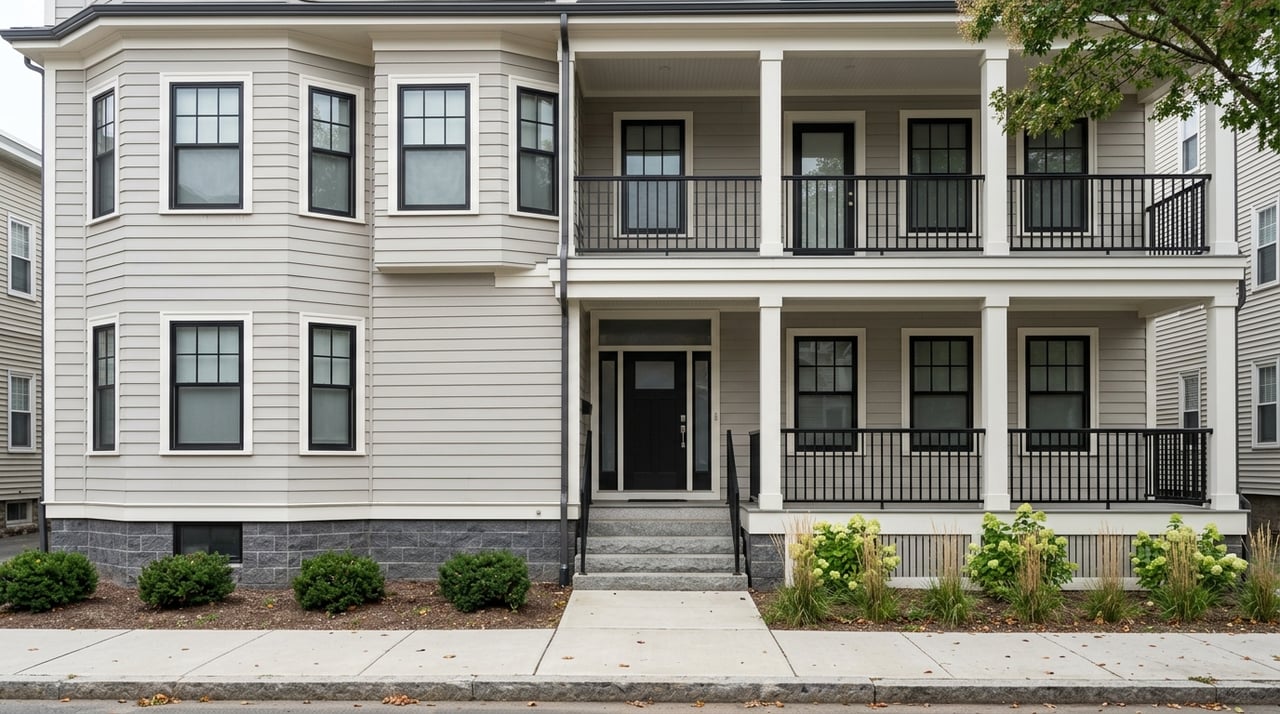
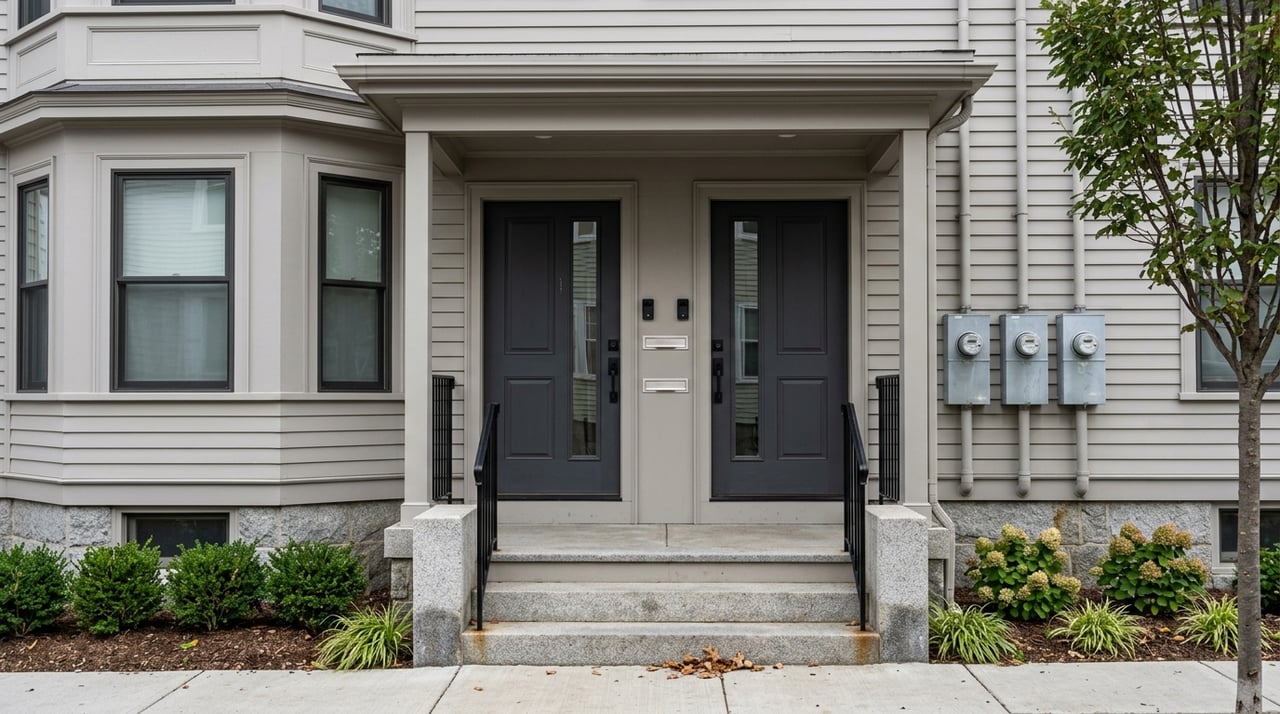
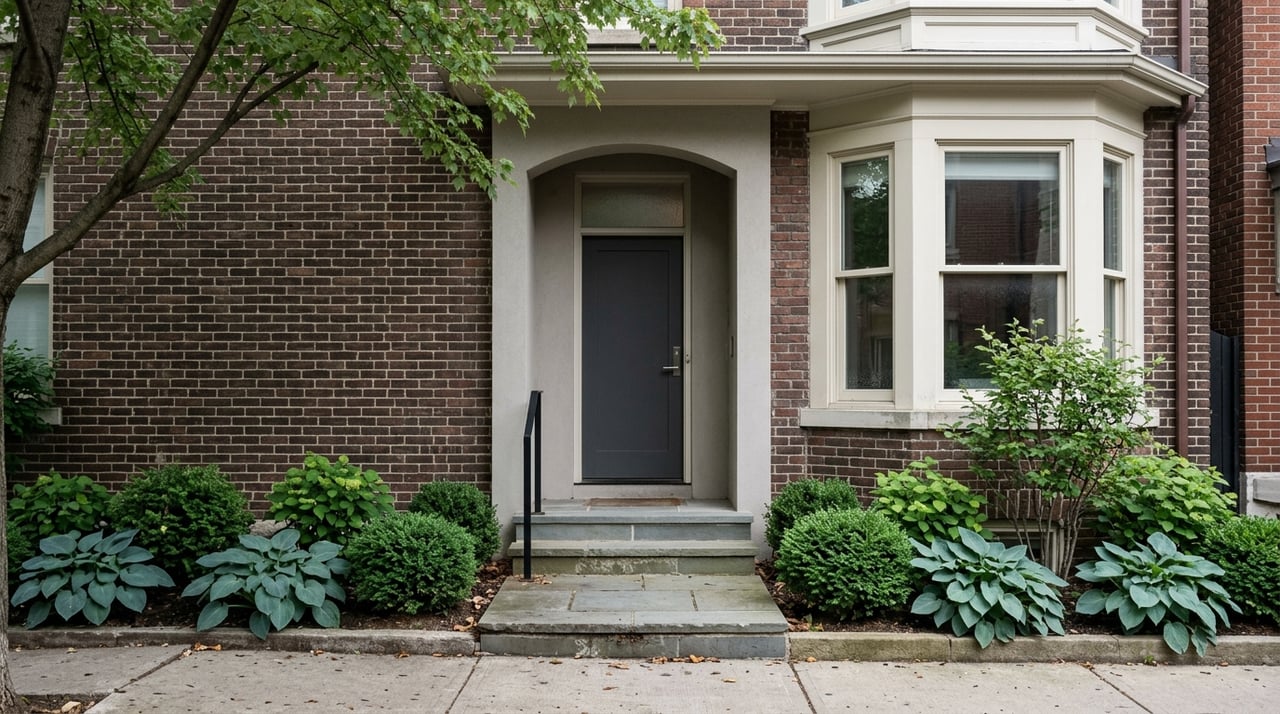
Brookline’s housing mix is one of its defining features. It is not just a town of large single-family homes. According to the town’s age-friendly report, only 18.4% of housing units are single-family detached homes, while 33.2% are in buildings with 20 or more units.
That means your options may include:
A 2024 town report found roughly 28,000 residential units in 17,900 buildings, including thousands of single-family, two-family, and three-family homes. The same report notes that renters make up about 52% of the population, which adds to Brookline’s mixed housing profile.
Brookline offers a lot, but affordability is a real challenge. Current market data in the research report shows a high cost of entry for both buyers and renters.
According to a Redfin Brookline market snapshot, the median sale price was $1.325 million in February 2026. The research report also notes a median listing price of $1.795 million and a median rent of $3,600, along with a January 2026 single-family median sales price of $2.4 million from the Massachusetts Association of Realtors.
Brookline is not priced the same block to block. The research report notes neighborhood-level variation, with Brookline Village around $999,000, Washington Square around $1.27 million, and Coolidge Corner around $1.85 million in median home price.
That range matters if you are trying to balance budget, housing type, and daily convenience. In many cases, the closer you are to major village centers and transit, the more competitive pricing can become.
Brookline usually works best for people who value convenience, walkability, and access to both Boston and local amenities. The town’s housing and transit setup often appeals to buyers and renters who want daily life to happen within a compact area.
Based on the research report, Brookline tends to be a strong fit for:
If you want a larger lot, easier parking, and a more traditional suburban layout, some parts of Brookline may feel too dense or too busy. But if you want village-centered living with strong transit access, it can be a compelling option.
Brookline has a lot of strengths, but it helps to go in with a clear picture of the tradeoffs. The same features that make it desirable can also shape your budget, commute, and day-to-day routine.
Before making a move, think about:
A smart search in Brookline usually starts with lifestyle first, then narrows to housing type and micro-location. That approach helps you focus on the parts of town that actually fit how you want to live.
Brookline offers a distinctive mix of urban convenience and residential character that is hard to find elsewhere in the Boston area. Its village centers, Green Line access, parks, and varied housing stock make it attractive to a wide range of buyers and renters, especially those who want a connected, walkable lifestyle.
At the same time, Brookline is busy, competitive, and expensive. If you are considering a move, the key is understanding which part of town fits your routine, budget, and long-term goals. If you want help comparing Brookline with other Boston-area communities or finding the right fit within town, connect with YPC Real Estate LLC for practical, local guidance.
Stay up to date on the latest real estate trends.