Braintree Single Family vs Condo: A Practical Guide
April 23, 2026
April 23, 2026
Trying to choose between a single-family home and a condo in Braintree? You are not alone. Many buyers are weighing the same tradeoff: more space and control versus a lower purchase price and less exterior upkeep. If you are comparing your options in this Boston-area market, the right choice usually comes down to your budget, commute, and how you want to live day to day. Let’s dive in.
Braintree offers a mix of detached homes and condominium communities in a location that can work well for both drivers and transit users. The town is about ten miles south of Boston and sits at the crossroads of I-93 and Route 3, with access to the Red Line and commuter rail, according to the Town of Braintree.
That location matters because your lifestyle may shape your decision as much as the floor plan does. A condo near transit may support a simpler commute, while a single-family home may give you more room if you are comfortable driving a bit more often.
Recent MLS data also shows a meaningful price gap between the two property types. In December 2025, the median single-family sale price in Braintree was $747,500, while the median condo sale price was $480,000, based on local market data.
That means the typical condo sold for about $267,500 less upfront than the typical single-family home. Inventory was also limited in both categories, with 17 single-family homes and 9 condos for sale in December 2025.
For many buyers, price is the first filter. In Braintree, condos often create a lower entry point into the market, but the monthly cost structure is different.
A condo may cost less to buy, yet it usually comes with HOA dues. Sample current Braintree condo listings show monthly fees around $187, $300, $395.10, $500, and $587, which suggests a practical planning range of about $200 to $600 per month for many buildings, according to current listing examples.
Those dues may cover items like building insurance, exterior maintenance, snow removal, trash, water, sewer, heat, hot water, or reserve funding. The exact package depends on the community, so reviewing what is included is a key part of comparing one condo to another.
Single-family homes usually do not have HOA dues, but that does not mean ownership is cheaper month to month. Instead, you are responsible for maintenance directly, from roof work to driveway repairs to yard care.
A common rule of thumb is to budget 1% to 4% of a home’s value each year for maintenance and repairs, based on guidance summarized by Bankrate. Applied to Braintree’s recent single-family median of $747,500, that works out to roughly $7,500 to nearly $30,000 per year in maintenance planning.
A condo can be a strong fit if you want a more manageable ownership experience. In Braintree, condos often appeal to first-time buyers, commuters, downsizers, and buyers who want a lower upfront cost than a detached house.
The biggest advantage is usually predictability. Instead of handling every exterior issue yourself, you may pay a set monthly fee while the association manages shared responsibilities like grounds, snow, and some building systems.
That setup can be especially helpful if you prefer a simpler routine. If you travel often, work long hours, or just do not want to spend weekends on yard work and exterior repairs, a condo may feel like a better match.
The tradeoff is that you will need to evaluate HOA fees carefully. A lower purchase price can still make sense, but the monthly dues and the building’s rules should be part of your decision from the start.
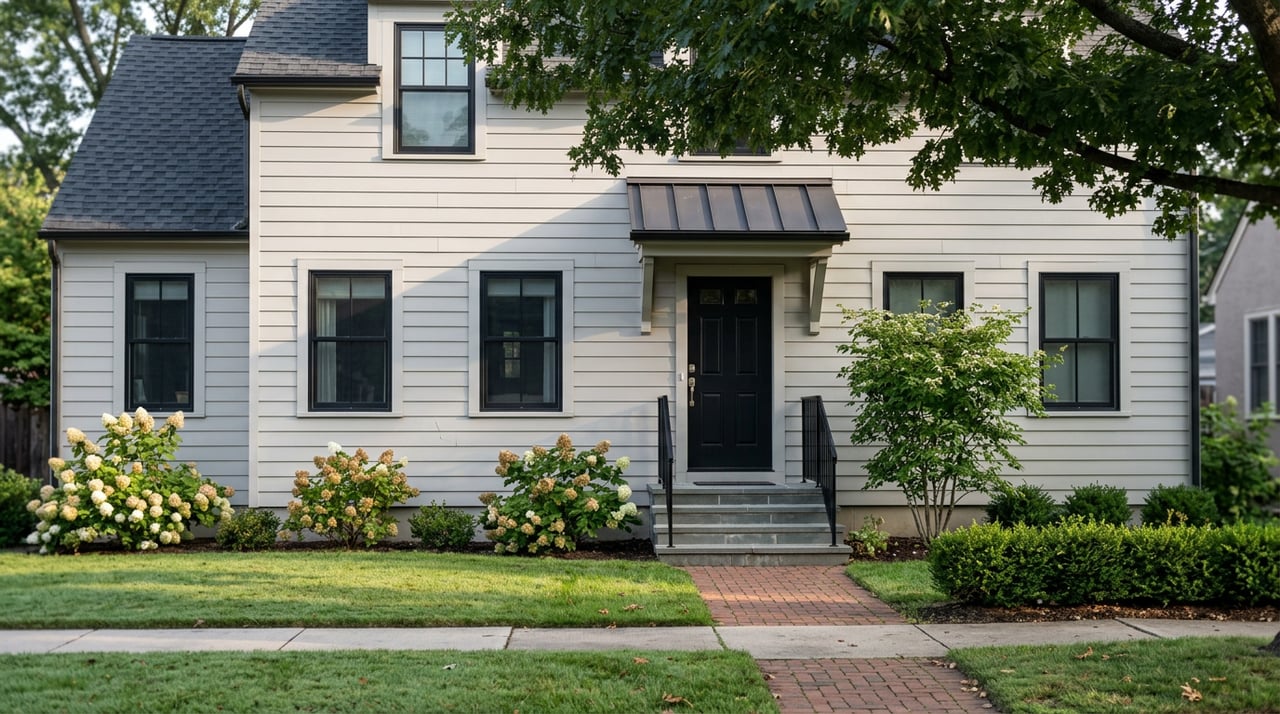
A single-family home often fits buyers who want more privacy, more outdoor space, and more control over how they use the property. In Braintree, this option tends to attract move-up buyers and anyone planning for a longer ownership horizon.
The biggest draw is flexibility. You are generally not working within a condo association structure, so you may have more freedom over renovations, landscaping, and everyday use of the home.
You may also gain features that are harder to find in a condo, like a private yard or more separation from neighbors. For many buyers, that added space is worth the higher purchase price and added upkeep.
The tradeoff is that you need stronger reserves. If a major repair comes up, the responsibility is yours, so a single-family home usually works best when you are financially prepared for both expected and unexpected maintenance.
In Braintree, commute convenience can matter just as much as home type. The town’s location near I-93 and Route 3, plus Red Line and commuter-rail access, gives buyers more than one way to reach Boston and surrounding areas, according to the Town of Braintree.
If your goal is to reduce driving, a condo close to transit or major roads may be appealing. If you want more space and do not mind a more car-dependent routine depending on the address, a single-family home may still be the better fit.
This is why it helps to compare specific properties, not just categories. In Braintree, the exact location often matters more than whether the listing is a condo or a detached home.
If school access is part of your move, it is smart to verify the assignment for each property you consider. Braintree Public Schools serves more than 5,800 students and includes one high school, two middle schools, six neighborhood elementary schools, and preschool options, according to the district registration information.
Because Braintree uses neighborhood elementary schools, the exact address matters. A condo and a single-family home in different parts of town may not connect to the same elementary school, so it is best to confirm the assigned school directly before making an offer.
That is an important point for buyers comparing home types. In most cases, school access is driven by location, not by whether the property is a condo or a single-family house.
If you are torn between the two, start by looking at how you want your daily life to feel. A condo may make more sense if your top priorities are a lower purchase price, less exterior work, and a more streamlined routine.
A single-family home may be the better choice if you want more room, more privacy, and more control over the property. You will usually pay more upfront, and you should plan for ongoing maintenance, but the added flexibility can be worth it.
Here is a simple way to think about it:
| If you prioritize... | You may prefer... |
|---|---|
| Lower upfront cost | Condo |
| Less exterior maintenance | Condo |
| Predictable monthly upkeep | Condo |
| More privacy | Single-family |
| More outdoor space | Single-family |
| More renovation flexibility | Single-family |
In Braintree’s tight inventory environment, the best decision is often the one that balances your budget with your lifestyle instead of chasing a one-size-fits-all answer. The right fit is the home type that supports how you live now and what you want your next few years to look like.
If you are comparing condos and single-family homes in Braintree, working with a local team can help you weigh price, location, monthly costs, and commute tradeoffs with more clarity. When you are ready to talk through your options, connect with YPC Real Estate LLC.
Stay up to date on the latest real estate trends.