Cambridge Multi Family Homes: A Smart Investor Primer
July 16, 2026
July 16, 2026
If you have been eyeing Cambridge for your first small multifamily investment, you already know the challenge: the city can look attractive on paper, but the numbers get tight fast. Between high entry prices, strong rental demand, and local rules that can affect timelines, you need more than a quick online search to decide whether a deal works. This guide walks you through the basics of buying a small multi-family in Cambridge so you can evaluate opportunities with more confidence. Let’s dive in.
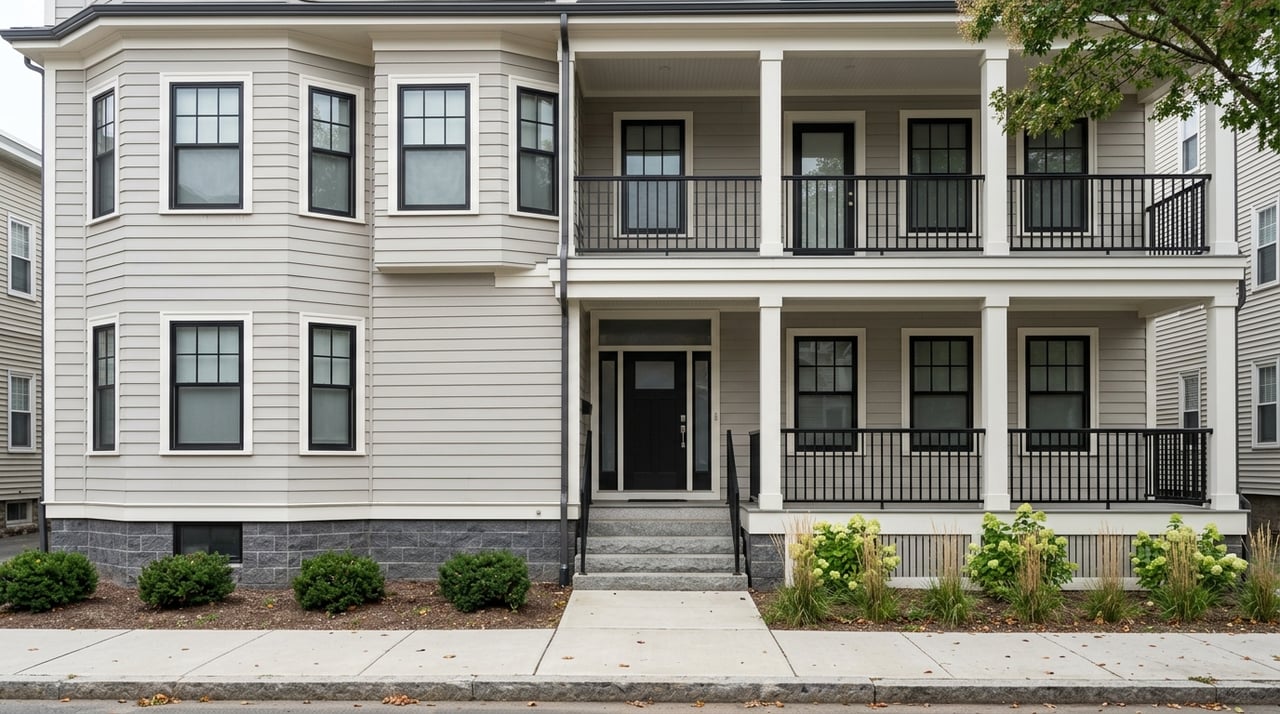
Cambridge has a housing mix that fits the way many small investors shop. City housing data breaks residential properties into one-family, two-unit, three-unit, 4 to 6-unit, 7 to 12-unit, and larger categories, which is a useful framework when you are comparing duplexes, triple-deckers, and small apartment buildings.
That matters because small multifamily investing in Cambridge is rarely about a generic “rental property.” It is usually about a very specific building type, a very specific lot, and a very specific income story. The more precise your search, the better your decisions tend to be.
Cambridge also has a deep renter base. The city’s 2025 Town Gown reporting says 14,920 students were housed in dormitories in Cambridge, which helps explain why lease timing, turnover, and student-oriented demand can matter in some parts of the market.
Cambridge often comes with a premium price tag. Using citywide median figures as a rough screen, Cambridge had a median home price of $1,189,288 and a median rent of $3,113, which implies a rough gross yield of about 3.1%.
That is why Cambridge can be appealing and difficult at the same time. Rents are strong, but acquisition costs are also high, so a deal that sounds good at a glance may not hold up once you factor in taxes, maintenance, vacancies, and capital work.
Nearby markets show the contrast. Somerville screens at about 3.0% on the same rough basis, Boston at about 3.5%, and Quincy at about 4.2%. In plain terms, Cambridge is often the more expensive entry point, even if the location and long-term demand are compelling.
When you shop small multifamily in Cambridge, start by defining your target by unit count. A two-unit, three-unit, or 4 to 6-unit building can behave very differently in terms of financing, maintenance, tenant turnover, and renovation scope.
That sounds simple, but it keeps you from comparing the wrong properties. A duplex with stable leases is not the same investment as a triple-decker with below-market rents, and neither is the same as a six-unit building with deferred maintenance.
Cambridge housing data separates market-rate rents and sales from affordable housing and university-owned graduate housing. That means median numbers are best used as private-market indicators, not as a full snapshot of every housing situation in the city.
For you, that means citywide figures are useful for screening, but not for pricing a specific deal. Once a property makes your shortlist, the building itself matters more than the headline numbers.
A current rent roll is one of the most important documents in a multifamily purchase. Supporting leases matter too, and Freddie Mac guidance says rent rolls should be dated within 30 days of the underwriting package.
In practice, you want to compare the rent roll against the actual signed leases and check for mismatches. Look closely at rent amounts, security deposits, lease start and end dates, and whether any units are month-to-month.
A practical way to test a deal is to review operating expenses as a share of effective gross income. Appraisal guidance describes the expense ratio as the complement of NOI over effective gross income, and multifamily underwriting commonly centers on NOI and debt coverage.
You do not need to turn this into a complex spreadsheet on day one. What you do need is a realistic view of how much income remains after normal operating costs, not just the top-line rent number.
Cambridge operating costs include FY26 residential property taxes of $6.67 per $1,000 of assessed value. Property tax bills also include the city’s 3% Community Preservation Act surcharge.
That lower tax rate can help compared with some nearby cities, but it does not cancel out Cambridge’s higher acquisition prices. You should underwrite both pieces together, not in isolation.
Cambridge changed its zoning in 2025 to allow multifamily housing in all residential neighborhoods. Before that, some areas allowed only single-family or two-family housing.
That is a major shift, but it does not mean every property is simple. Zoning history and lot-by-lot review still matter, especially if you plan to alter the building, add units, or make layout changes.
If your plan depends on renovations, permitting may become the pacing item. Cambridge says Board of Zoning Appeal hearings are often scheduled up to 60 days out, and the path from a zoning-relief filing to building permit issuance can be 4.5 months or longer when no appeal is filed.
That timeline can affect carrying costs, lease planning, and your renovation budget. If your deal only works with a fast turnaround, build in extra caution.
In Cambridge, landlords and management companies must provide the city’s tenant-rights guide at the start and end of a tenancy. The ordinance is designed to inform tenants and landlords, and it does not block lawful eviction actions.
For a small investor, this is part of basic operational setup. If you are planning to self-manage or transition into management later, you want to know these local expectations from the start.
Cambridge Housing Inspections enforces the Massachusetts State Sanitary Code. The city says common housing complaints include no heat, insufficient hot water, plumbing problems, blocked egress, rodents, hoarding, rubbish, and other landlord maintenance issues.
This is one reason older multifamily stock needs careful due diligence. A building that looks fine during a quick showing can still have deferred maintenance that turns into cost and compliance pressure after closing.
Massachusetts lead law requires deleading when an apartment or single-family home is occupied by a child under six. Cambridge also notes that income-eligible households may have access to low-interest financing through HIP for lead hazard removal.
If you are buying an older property, lead status should be a direct question during due diligence. It can affect renovation planning, compliance, and future occupancy scenarios.
In Cambridge, short-term rentals are separately licensed by Inspectional Services and are defined as rentals of less than 30 consecutive days. That means Airbnb-style income should be treated as a regulated business line, not as a simple replacement for long-term rent.
If a deal only pencils out with short-term rental income, pause and review the local rules carefully. For many small investors, a long-term rental plan may be the more stable baseline.
Cambridge does not appear on the Massachusetts Attorney General’s published list of municipalities with rent control. Based on that current list, you should not assume there is a local rent-control regime in Cambridge.
That said, you still need to evaluate each property based on its actual lease terms, tenant situation, and operating condition. Broad assumptions are rarely enough in this market.
If you are deciding between Cambridge and another Greater Boston market, the simplest takeaway is this: Cambridge rewards precision. The city often offers strong rent levels and durable demand, but the margin for underwriting mistakes is thinner because the purchase price is so high.
Cambridge does have a lower FY26 residential tax rate than Boston and Somerville. The city’s rate is $6.67 per $1,000, compared with $11.56 in Boston and $10.91 in Somerville, though Cambridge tax bills still include the 3% CPA surcharge.
That tax advantage helps at the margin. Still, it usually does not erase the higher cost of entry, which is why careful review of rents, leases, condition, zoning, and permit path matters so much here.
Before you make an offer on a small multifamily in Cambridge, make sure you can answer these questions clearly:
If any of those answers are unclear, the deal may need more review before you move forward.
In Cambridge, small multifamily investing is not just about finding a building with rent potential. It is about checking the documents, pressure-testing the timeline, and making sure the property fits your actual investment strategy.
That is where local brokerage support can make a real difference. When you have someone helping you review the rent story, unit setup, market positioning, and next steps with clear process guidance, you are less likely to make an expensive assumption.
If you are thinking about buying a duplex, triple-decker, or small apartment building in Cambridge, YPC Real Estate LLC can help you evaluate opportunities with practical local guidance, buyer representation, and support tailored to small investors.
Stay up to date on the latest real estate trends.