Living in Norwood MA: Housing, Downtown, and Daily Commute
June 4, 2026
June 4, 2026
If you want a suburb that gives you more than just a place to sleep, Norwood deserves a closer look. Many buyers and renters want a town with practical housing options, a real downtown, and a commute that does not feel overwhelming every day. Norwood checks those boxes in ways that matter for daily life, and this guide will help you understand what living there can actually look like. Let’s dive in.
Norwood is a suburban town in Norfolk County with 31,764 residents. Census data shows a median household income of $97,110, an owner-occupied housing rate of 51.8%, and an average commute time of 31.2 minutes. Those numbers point to a community that balances residential living with access to jobs and services across the Boston area.
What makes Norwood especially appealing is the combination of local convenience and regional access. It is not simply a bedroom suburb with a few scattered stores. The town has an established civic center, commuter rail access, and a downtown area that supports day-to-day errands, dining, and community activity.
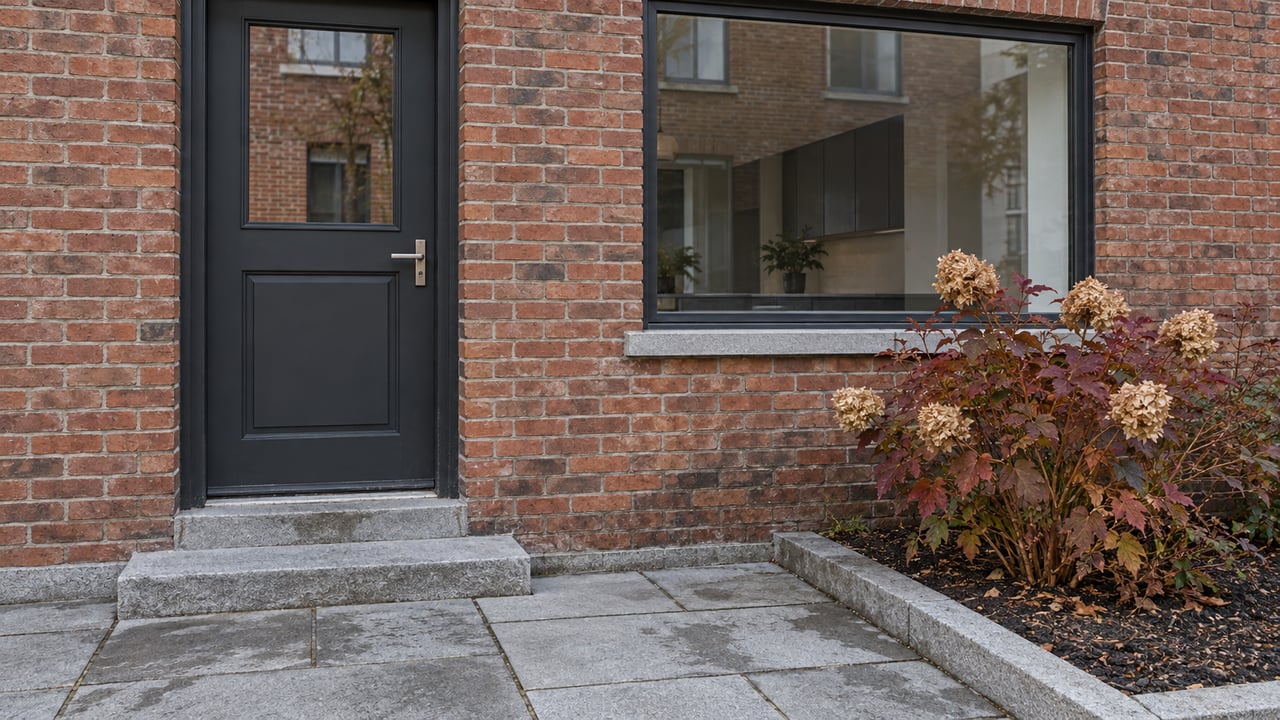
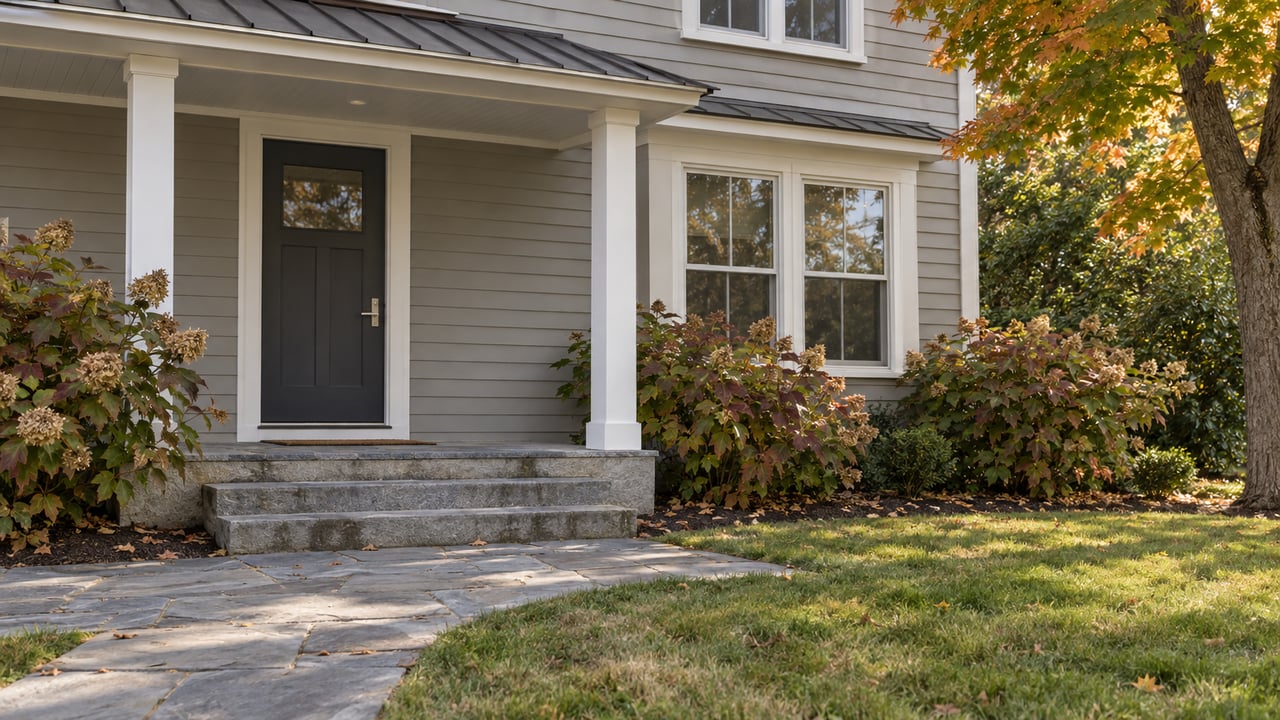
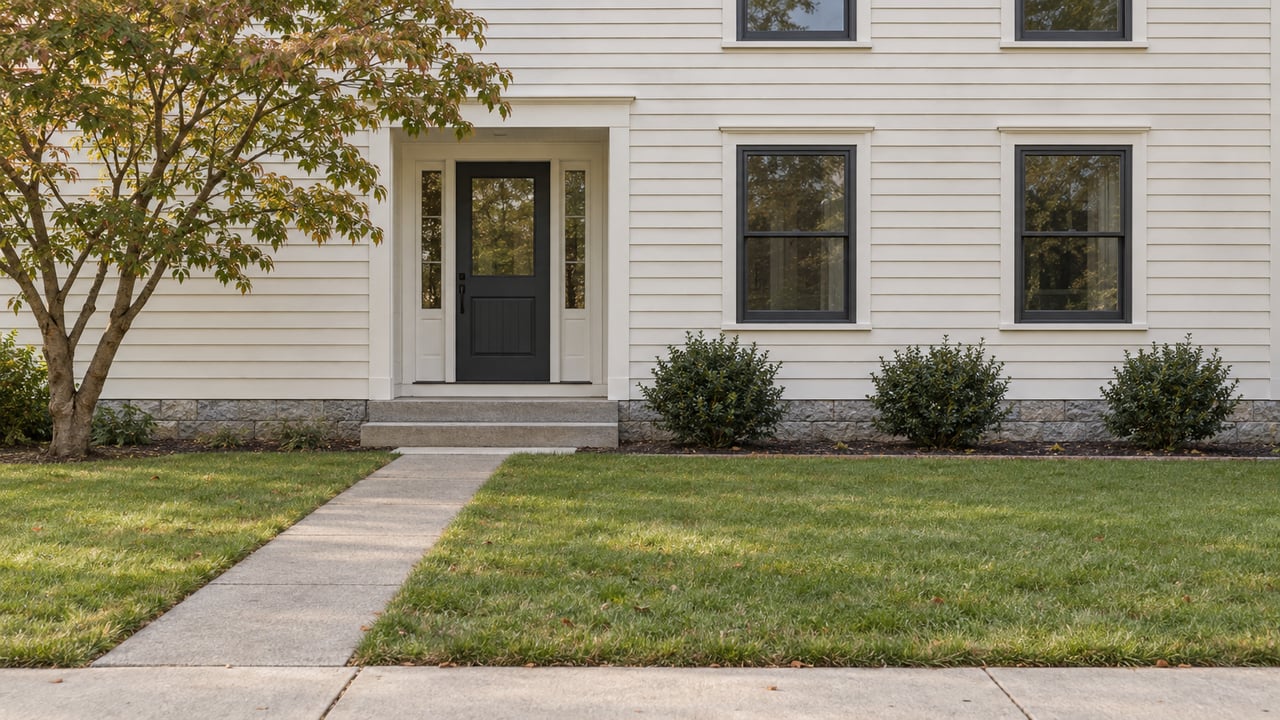
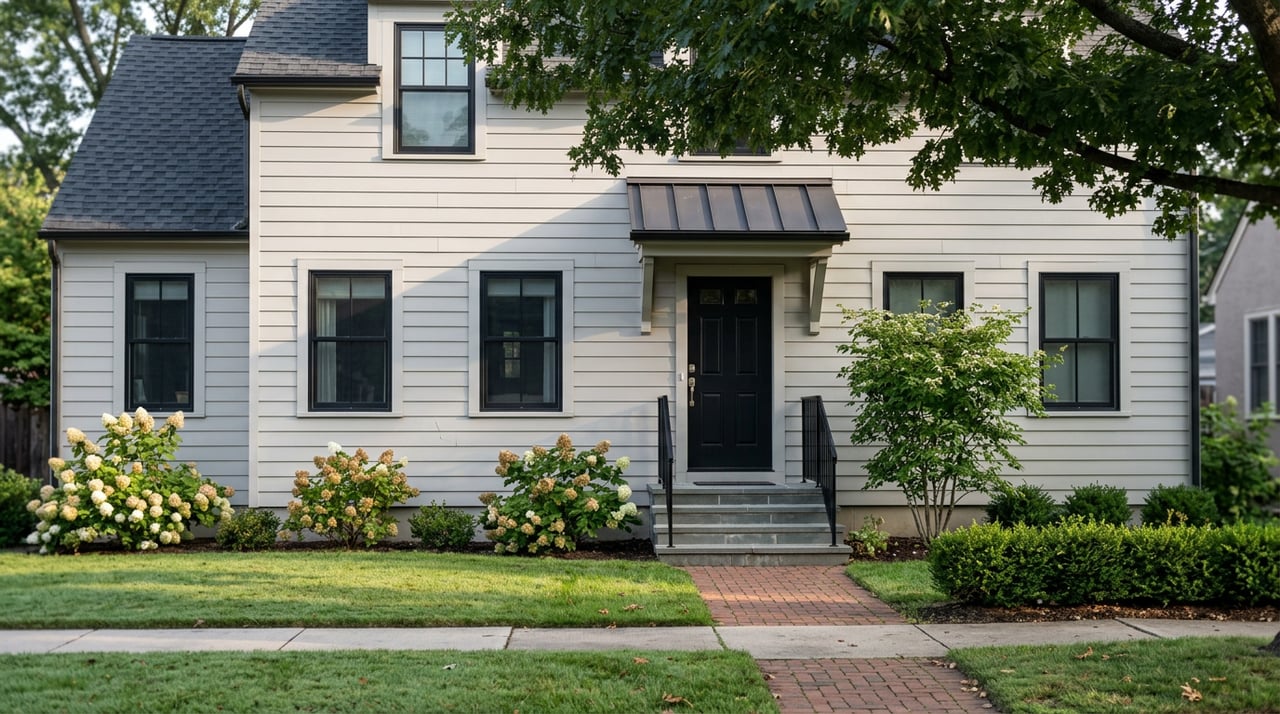
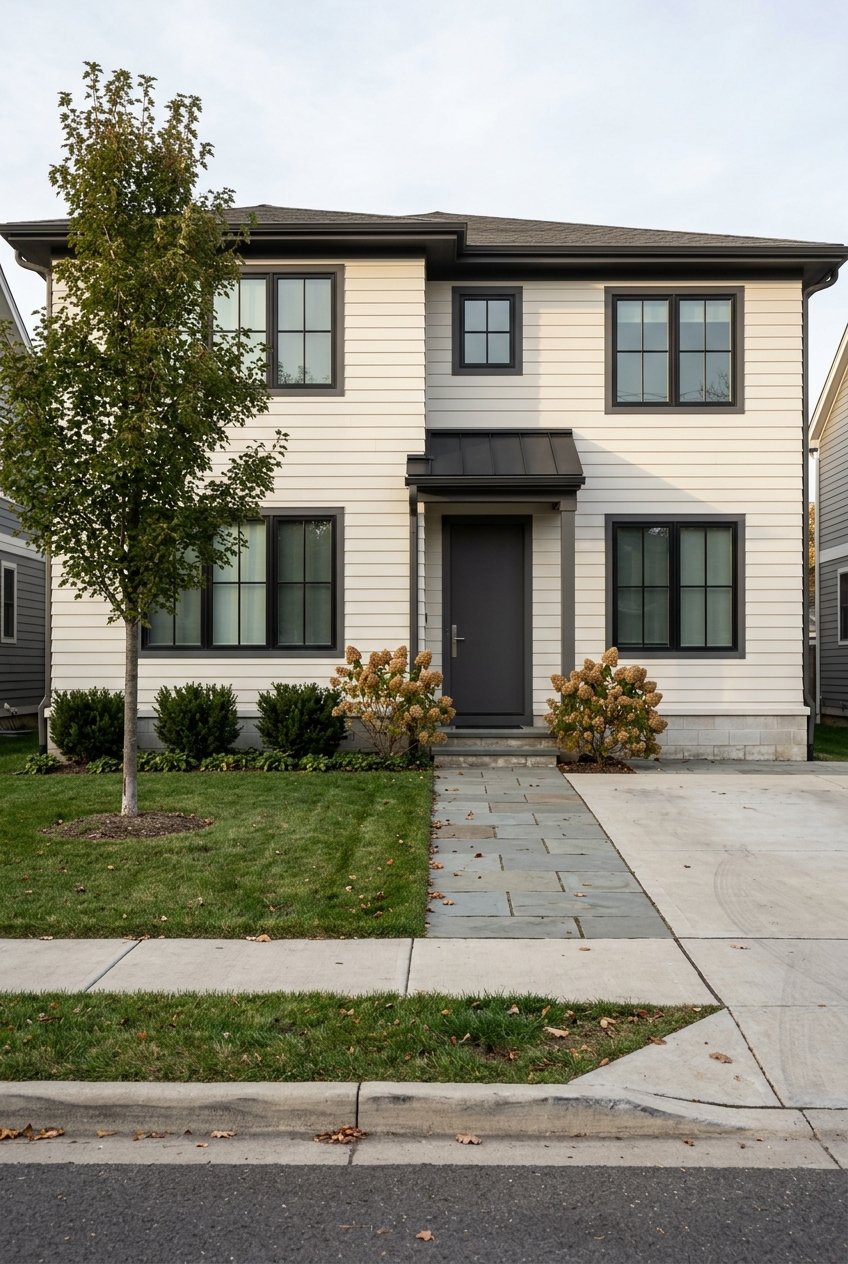
If you are trying to picture the housing stock in Norwood, think variety rather than one single home style. Town planning documents describe detached single-family neighborhoods, two-family homes, apartment buildings, and newer mixed-use residential projects in the downtown area. That broader mix gives you more paths into the market depending on your budget, space needs, and lifestyle.
Older planning data found that 51.4% of housing units were detached single-family homes, 12.6% were two-family homes, and 23% were apartment buildings. While those figures are from earlier town planning materials, they still help explain why Norwood feels more flexible than towns made up almost entirely of single-family houses. You can find options for owner-occupants, renters, and buyers who want something closer to downtown.
Current pricing depends on the source and how that source measures the market. Realtor.com shows a median listing price of $679,000, Redfin reported a median sale price of $775,000 in March 2026, and Zillow’s home value index put the average home value at $738,098 as of April 30, 2026. The range can look wide, but that is normal when you compare listing prices, closed sale prices, and index-based values.
For a buyer, that means it is smart to look at more than one number before setting expectations. A listing price shows where sellers start, while a sale price shows where buyers and sellers actually met. An index can help you understand broader value trends, but it is not the same as the price of a specific home.
Renters also have a mix of choices in Norwood. Apartments.com reported an average rent of $2,275 per month in May 2026, with studios around $1,299, one-bedroom units around $2,275, and two-bedroom units around $2,821. That is somewhat above the Census median gross rent of $2,056, which reflects a five-year survey estimate rather than current asking rents.
In practical terms, today’s rental market may feel tighter than older survey data suggests. If you are comparing renting versus buying in Norwood, it helps to weigh current asking rents against your long-term plans, commute needs, and the kind of space you want.
A big part of Norwood’s appeal is that the town center feels like an actual downtown. Friends of Norwood Center describes it as the hub for local businesses and organizations, with dining, shopping, wellness, services, and events. Town planning materials also describe the area as a historic civic center with a traditional mix of commercial, office, institutional, and residential uses.
That matters because it shapes how you live day to day. Instead of relying on one commercial strip for everything, you have a central area built to support walking, biking, transit, and driving. For many people, that makes everyday routines feel easier and a little more connected.
Several local anchors help define the rhythm of life in Norwood Center:
These places give the town center substance beyond shopping and restaurants. They support errands, entertainment, events, and community routines in one part of town, which is useful if you want a suburb with more built-in activity.
Some downtown areas look good on paper but do not become part of your regular routine. Norwood Center appears to work differently because it blends civic uses, local businesses, and transportation access. The farmers market is described as being in the heart of Norwood Center and within an easy walk of both Norwood Central and Norwood Depot, which reinforces how connected the downtown area is.
That setup can be a real benefit if you value convenience. You may be able to combine a train trip, a quick errand, a library stop, or dinner downtown without needing to plan your whole day around driving between separate destinations.
For many buyers and renters, the commute is where Norwood becomes especially compelling. The town has direct commuter rail access on the Franklin/Foxboro Line, which gives you a clear route toward major Boston destinations. Norwood also benefits from strong road connections that support travel across the broader region.
If you work in Boston, along the south-side rail corridor, or in nearby suburban business hubs, Norwood gives you multiple ways to get where you need to go. That flexibility can make a big difference when you are choosing where to live.
Norwood Central is less than a mile from Norwood Common, the theater, restaurants, and shops. Station information lists direct destinations including Back Bay and South Station. Norwood Depot, also on the Franklin/Foxboro Line, is another town-center station within easy reach of the Common and downtown businesses.
The same line also reaches places like Dedham Corporate Center and Ruggles. That is useful if your job is not in downtown Boston but still falls along the commuter rail corridor. In other words, Norwood’s rail access supports more than one kind of commute.
If you drive, Norwood planning documents describe strong highway access via I-95, Route 1, and Route 1A. The town also notes that Dean Street connects to I-95 at Exit 11. Those road connections help support commuting into Boston, around the suburbs, or to nearby employment centers.
This is another reason Norwood works for a broad range of households. You are not limited to one commute pattern. Whether you travel by rail, car, or a combination of both, the town offers options that fit different work locations and schedules.
Massachusetts state information notes that the area is also served by MBTA bus route 34E. Town planning materials add that fixed-route bus service runs between Walpole and the Forest Hills Orange Line station. While commuter rail is the clearest Boston-bound option, those added transit connections give some extra flexibility.
If you prefer not to drive all the way into the city, that matters. Even if rail is your main plan, bus access can still help with backup routes and local connections.
Taken together, Norwood offers a practical blend of housing variety, downtown convenience, and regional access. You can find detached homes, two-family properties, apartments, and mixed-use residential options, which broadens the town’s appeal for first-time buyers, move-up buyers, renters, and some small property investors. At the same time, the downtown area gives the town more texture than a purely residential suburb.
For many people, that is the real draw. You get a town center with recognizable local anchors, commuter rail stations near the core, and road access that connects you to the wider Boston metro. Norwood may be especially worth considering if you want suburban space without giving up too much convenience.
If you are comparing communities around Greater Boston, Norwood stands out for being usable in everyday life. It supports errands, commuting, dining, and community activity in a way that feels grounded and functional. That can make a big difference when you are choosing where to put down roots.
If you are thinking about buying, selling, renting, or investing in the Greater Boston area, YPC Real Estate LLC can help you evaluate Norwood with clear local guidance, responsive service, and a practical plan tailored to your goals.
Stay up to date on the latest real estate trends.